
The Allure of Risk and Reward
One of the most compelling psychological aspects of casino games lies in the balance between risk and reward. The thrill of potentially winning a large sum of money often outweighs the fear of losing. This phenomenon is rooted in behavioral economics, where the prospect of winning triggers the brain’s reward system, releasing dopamine and creating feelings of pleasure. To find some of the best parlay betting sites, this chemical response reinforces the desire to continue playing, even in the face of losses.
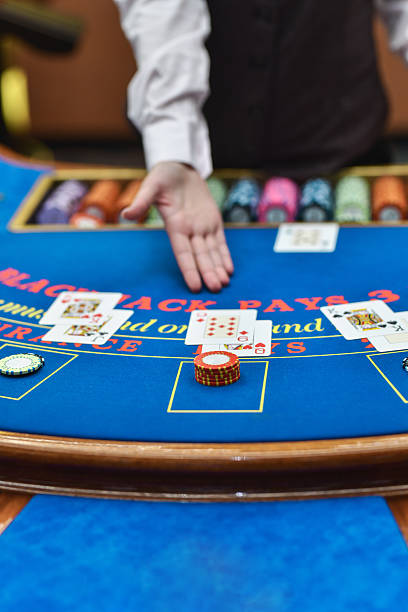
The unpredictability of game outcomes adds another layer of excitement. Players are drawn to the possibility of hitting a jackpot or achieving a big win, which can manifest into a continuous cycle of hope and anticipation. This psychological mechanism is known as variable reinforcement, where rewards are given at unpredictable intervals, making the experience even more enticing and addictive.
The Social Aspects of Gambling
Casino games are not just about individual play; they offer a unique social environment that enhances their appeal. The sense of community and shared experience among players can be incredibly gratifying. Engaging with others while playing games fosters a feeling of belonging, which can be especially valuable for those seeking social connection. This interaction can amplify the excitement and enjoyment of the gaming experience.
Moreover, witnessing other players’ successes can create a contagious excitement that influences one’s own gaming behavior. The cheers, celebrations, and camaraderie established at gaming tables add to the allure, making the entire experience more engrossing. This social proof reinforces the notion that wins are possible, encouraging more participation.
The Role of Environment in Gaming Experiences
The design and atmosphere of casinos are meticulously crafted to enhance player engagement. Bright lights, vivid colors, and captivating sounds all work together to create an immersive experience that feels exciting and stimulating. This sensory overload can lead to a state of flow, where players lose track of time and become fully absorbed in the game.
Casinos also utilize psychological tricks such as free drinks, comfortable seating, and the absence of windows or clocks to encourage longer stays. The carefully curated environments are intended to make players feel good and eager to engage with the games, making it easier to lose sight of time and money spent.
The Impact of Personal Factors on Gambling Behavior
Individual psychology plays a significant role in how one engages with casino games. Personal motivations, such as the desire for social validation, escape from reality, or the pursuit of excitement can heavily influence behavior. Some individuals may seek the adrenaline rush associated with gambling, while others may turn to it as a coping mechanism for stress or anxiety.
Understanding personal biases, such as overconfidence or the gambler’s fallacy, is essential in recognizing how they impact decision-making in casino environments. For instance, players may hold onto the belief that they are “due” for a win, causing them to continue gambling despite adverse outcomes. These cognitive biases significantly contribute to the compelling nature of casino games.

Conclusion and Website Relevance
In conclusion, the psychology behind casino games is a complex interplay of risk, social interaction, environmental factors, and personal motivations. Understanding these elements not only sheds light on why people are drawn to casinos but also reveals the underlying mechanisms of gambling behavior. As players navigate these enticing landscapes, awareness of these psychological factors can lead to healthier gaming habits.
This website serves as a secure platform for individuals looking to file online claims, including those dealing with gambling-related issues. Its commitment to providing essential services, while ensuring a safe online environment, aligns with the growing need for responsible gaming practices in today’s digital age.
